

Understanding Digital Payments for Your Business
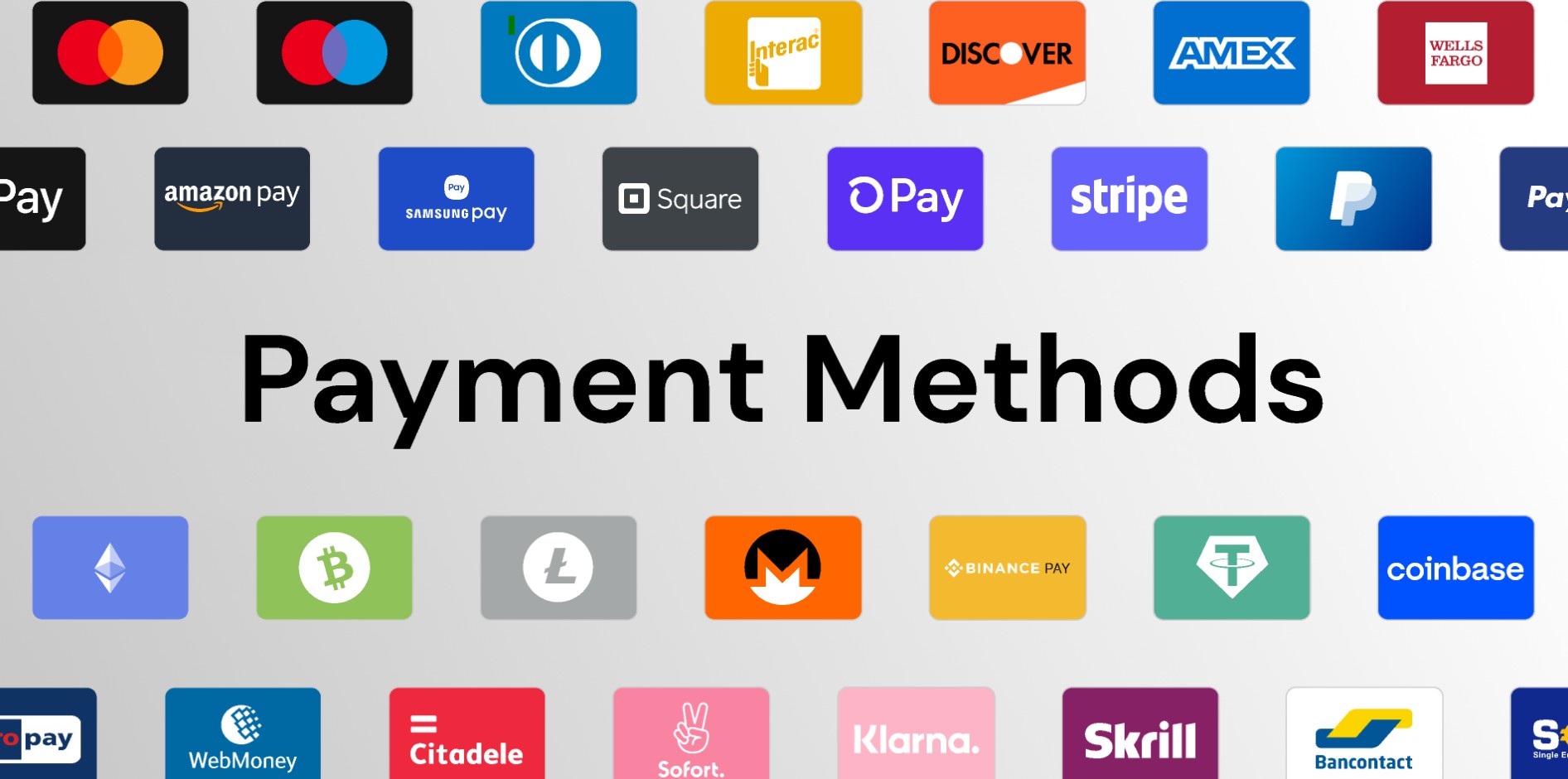
Digital payments have revolutionized how businesses operate in India. From small local shops to large enterprises, understanding digital payment systems is crucial for success in today's economy. This comprehensive guide will help you navigate the digital payment landscape.
The Digital Payment Revolution in India
Rapid Adoption
India has witnessed unprecedented digital payment growth:
- Over 800 crore digital transactions monthly
- 40+ crore UPI users
- Digital payments accounting for 80% of retail transactions
- 300% growth in digital payment adoption since 2020
Key Drivers
Several factors have fueled this growth:
- Government push for digital economy
- Smartphone penetration in rural areas
- Simple, user-friendly payment interfaces
- Cashback and reward programs
- COVID-19 acceleration of digital adoption
Types of Digital Payments
UPI (Unified Payments Interface)
UPI has become the backbone of digital payments:
- Instant 24/7 transfers
- No transaction fees for basic transfers
- QR code-based payments
- Mobile number-based transfers
- Bill splitting and requests
Mobile Wallets
Popular mobile wallet options:
- Paytm, PhonePe, Google Pay
- Amazon Pay, MobiKwik
- Bank-specific wallets
- Closed-loop wallets for specific merchants
Card Payments
Traditional card payments remain important:
- Debit cards for daily transactions
- Credit cards for larger purchases
- Contactless payments for convenience
- EMI options for expensive items
- International card acceptance
Net Banking
Direct bank transfers for businesses:
- RTGS for high-value transactions
- NEFT for regular transfers
- IMPS for instant transfers
- Auto-pay facilities for recurring payments
- Corporate banking solutions
Setting Up Digital Payments
Business Registration
First steps for accepting digital payments:
- Business bank account opening
- GST registration if applicable
- Merchant account setup
- Payment gateway integration
- KYC documentation completion
Payment Gateway Integration
Choosing the right payment gateway:
- Compare transaction fees (1.5-3% typically)
- Check settlement timelines (T+1 to T+7)
- Evaluate customer support quality
- Review security certifications
- Test integration process
Required Documentation
Essential documents for setup:
- Business registration certificates
- PAN card and GST registration
- Bank account details
- Identity proof of business owner
- Address proof of business location
Popular Payment Solutions
For Small Businesses
Cost-effective options for small enterprises:
- UPI QR codes (free to use)
- Basic payment gateway plans
- Mobile wallet business accounts
- Bank merchant services
- Peer-to-peer payment apps
For Medium Businesses
Comprehensive solutions for growing businesses:
- Multiple payment gateway integration
- POS machines for offline payments
- Auto-payment setup facilities
- International payment acceptance
- Advanced reporting and analytics
For Large Enterprises
Enterprise-grade payment solutions:
- Custom payment gateway development
- International payment processing
- Multi-currency support
- Advanced fraud detection
- API integration with ERP systems
Security Best Practices
Transaction Security
Protect your business from fraud:
- Two-factor authentication
- Transaction monitoring systems
- Regular security audits
- Employee training on security
- Secure data storage practices
Customer Data Protection
Comply with data protection regulations:
- PCI DSS compliance for card payments
- Data encryption standards
- Privacy policy implementation
- Customer consent management
- Data breach response plan
Risk Management
Identify and mitigate payment risks:
- Transaction limit controls
- Suspicious activity monitoring
- Chargeback management
- Dispute resolution processes
- Insurance coverage for fraud
Managing Digital Payments
Daily Operations
Efficient daily payment management:
- Regular transaction reconciliation
- Settlement tracking
- Cash flow management
- Fee optimization
- Customer payment support
Weekly and Monthly Tasks
Periodic payment management activities:
- Financial statement reconciliation
- Fee analysis and optimization
- Customer payment behavior analysis
- Payment method performance review
- Security audit completion
Reporting and Analytics
Leverage payment data for insights:
- Payment method preferences
- Transaction value analysis
- Peak payment times
- Geographic payment patterns
- Customer payment behavior trends
Optimizing Payment Processes
Reducing Transaction Costs
Strategies to minimize payment fees:
- Negotiate better rates with volume
- Choose cost-effective payment methods
- Encourage low-cost payment options
- Batch processing for multiple transactions
- Cash discount programs
Improving Customer Experience
Enhance payment experience for customers:
- Multiple payment options
- Quick and easy checkout process
- Mobile-optimized payment pages
- Clear payment status updates
- Excellent payment support
Increasing Conversion Rates
Optimize payment conversion:
- Guest checkout options
- One-click payment for returning customers
- Multiple EMI options
- Trust signals and security badges
- Abandoned cart recovery emails
Regulatory Compliance
RBI Guidelines
Stay compliant with RBI regulations:
- Transaction monitoring requirements
- AML (Anti-Money Laundering) compliance
- KYC (Know Your Customer) norms
- Data localization requirements
- Consumer protection regulations
Tax Compliance
Handle tax aspects properly:
- TDS deduction on certain transactions
- GST compliance for digital services
- Income tax reporting
- Service tax considerations
- International payment tax implications
Future of Digital Payments
Emerging Technologies
New technologies shaping payments:
- Voice-activated payments
- Biometric authentication
- Blockchain-based payments
- AI-powered fraud detection
- IoT device payments
Market Trends
Upcoming trends in digital payments:
- Cross-border payment solutions
- Cryptocurrency integration
- Real-time settlement systems
- Embedded finance options
- Super app payment ecosystems
Challenges and Solutions
Technical Challenges
Common technical issues and solutions:
- Payment gateway downtime
- Integration compatibility issues
- API rate limiting
- Transaction failures
- Data synchronization problems
Customer Challenges
Address customer payment issues:
- Payment failure explanations
- Refund processing delays
- Dispute resolution
- Technical support availability
- Payment method limitations
Business Challenges
Overcoming business payment challenges:
- Cash flow management
- Fee optimization
- Payment method preferences
- International payment acceptance
- Regulatory compliance costs
Best Practices Summary
For Business Owners
Key takeaways for business success:
- Offer multiple payment options
- Prioritize security and compliance
- Monitor payment analytics regularly
- Provide excellent customer support
- Stay updated with new technologies
For Customers
Safe digital payment practices:
- Use secure payment apps
- Verify merchant details
- Keep payment apps updated
- Monitor transaction statements
- Report suspicious activities immediately
Conclusion
Digital payments are no longer optional - they're essential for business success in India. By understanding the landscape, implementing proper security measures, and optimizing payment processes, businesses can thrive in the digital economy.
The future of payments is digital, and businesses that adapt quickly will have a significant competitive advantage. Start small, scale gradually, and always prioritize security and customer experience.
Remember, digital payments are not just about convenience - they're about building trust, improving efficiency, and enabling growth in the digital age.
This guide was created by the DealXChange Finance Team, which helps our sellers optimize their payment processes and maximize their financial success.