
The E-commerce Revolution: India's Digital Marketplace Boom
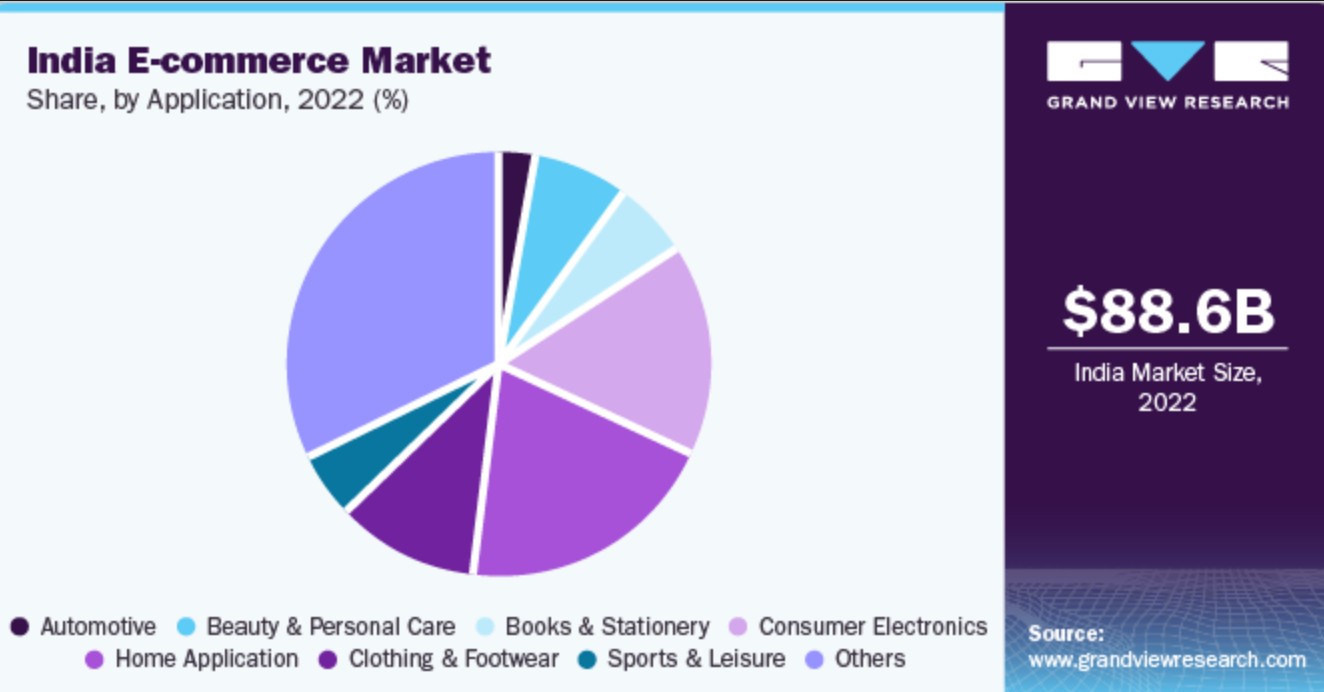
India is witnessing an unprecedented e-commerce revolution that's reshaping the entire retail landscape. With over 800 million internet users and 500 million smartphone users, India has become one of the world's most exciting digital marketplaces. This transformation is not just changing how people shop; it's redefining the very fabric of Indian commerce.
The Scale of Transformation
Meteoric Growth Numbers
The statistics tell a compelling story:
- E-commerce market size: $150 billion and growing at 25% annually
- Online shoppers: 150 million and increasing rapidly
- Digital payments: 800 crore transactions monthly
- Tier-2 and Tier-3 cities driving 60% of new growth
- Rural internet users growing at 30% year-on-year
Demographic Shifts
The face of Indian e-commerce is changing:
- 65% of new shoppers from Tier-2 and Tier-3 cities
- 45% of rural population now has internet access
- 55% of shoppers are under 30 years old
- 40% of first-time online shoppers are women
- 70% of transactions happen on mobile devices
Drivers of the E-commerce Boom
Digital Infrastructure Revolution
India's digital foundation has strengthened dramatically:
- 5G networks reaching 200+ cities
- 700,000+ villages with 4G connectivity
- 600+ million smartphone users
- 400+ million broadband connections
- 100,000+ digital villages across the country
Payment System Transformation
Digital payments have become mainstream:
- UPI handles 80% of digital transactions
- 40+ crore UPI users nationwide
- 300+ million mobile wallet users
- 95% of merchants accept digital payments
- 500+ million bank accounts linked to digital payment systems
Government Initiatives
Government policies have accelerated growth:
- Digital India program reaching all districts
- GST simplifying interstate commerce
- Startup India fostering e-commerce innovation
- Make in India boosting local manufacturing
- BharatNet connecting rural India
Changing Consumer Behaviors
Mobile-First Shopping Habits
Indian consumers have embraced mobile shopping:
- 70% of e-commerce traffic from mobile devices
- 60% of transactions completed on smartphones
- App-based shopping preferred by younger demographics
- Voice search becoming popular for product discovery
- Social commerce driving impulse purchases
Value-Conscious Mindset
Indian shoppers are increasingly value-focused:
- 80% compare prices across platforms
- 75% look for cashback and discount offers
- 70% prefer free shipping options
- 65% read reviews before purchasing
- 55% abandon carts due to high shipping costs
Trust and Verification Needs
Security concerns drive platform preferences:
- 90% prefer verified sellers
- 85% value customer reviews and ratings
- 80% trust platforms with buyer protection
- 75% prefer cash-on-delivery for first purchases
- 70% return to platforms with good customer service
Emerging E-commerce Models
Social Commerce Revolution
Social platforms are becoming shopping destinations:
- Instagram and Facebook driving 25% of e-commerce traffic
- Influencer marketing influencing 40% of purchase decisions
- Live commerce generating $2 billion in sales annually
- Community-based shopping gaining popularity
- Peer recommendations driving 60% of discovery
Hyperlocal Delivery Ecosystem
Quick commerce is redefining expectations:
- 15-minute delivery becoming standard in metros
- 100+ hyperlocal delivery startups operating
- Dark stores enabling rapid fulfillment
- Local kirana stores digitizing operations
- Last-mile innovation reaching rural areas
Vernacular Language Platforms
Regional language adoption is accelerating:
- 40% of online shopping happens in regional languages
- 12 major vernacular language platforms thriving
- Voice search in local languages growing 200%
- Content localization driving 3x higher conversion
- Rural markets preferring native language interfaces
Technology Innovations Shaping the Future
Artificial Intelligence Integration
AI is transforming e-commerce experiences:
- Personalized recommendations driving 35% higher conversion
- Chatbots handling 80% of customer queries
- Visual search enabling image-based product discovery
- Dynamic pricing algorithms optimizing revenue
- Fraud detection systems reducing losses by 90%
Augmented Reality Experiences
AR is bridging the online-offline gap:
- Virtual try-on for fashion and beauty products
- 3D product visualization increasing purchase confidence
- Virtual showrooms enhancing customer experience
- AR-powered size guides reducing returns by 25%
- Interactive product demonstrations improving engagement
Voice Commerce Revolution
Voice technology is changing how we shop:
- 200+ million voice assistant users in India
- Voice shopping growing at 150% annually
- Regional language voice search becoming mainstream
- Smart speakers enabling hands-free shopping
- Conversational AI improving customer experience
Sector-Specific Transformations
Fashion and Apparel
Online fashion is booming:
- 45% of fashion purchases now happen online
- Virtual try-on reducing return rates by 30%
- Sustainable fashion gaining traction
- Regional brands reaching national audiences
- Customization and personalization driving growth
Electronics and Appliances
Electronics e-commerce leads innovation:
- 60% of electronics purchased online
- Installation services becoming standard
- Extended warranties and protection plans
- Exchange programs driving upgrades
- Rural electrification boosting demand
Grocery and Essentials
Online grocery is mainstream:
- 35% of grocery shopping now happens online
- Quick commerce dominating urban markets
- Farm-to-table direct models emerging
- Organic and healthy food preferences growing
- Subscription models gaining popularity
Health and Wellness
Digital health commerce is exploding:
- Online pharmacy market growing at 40% annually
- Telemedicine consultations driving product purchases
- Fitness equipment and supplements booming
- Mental wellness products seeing 300% growth
- Ayurveda and traditional products gaining traction
Challenges and Opportunities
Infrastructure Gaps
Despite progress, challenges remain:
- Last-mile delivery costs in rural areas
- Internet connectivity issues in remote regions
- Digital literacy gaps in older demographics
- Payment infrastructure limitations in small towns
- Logistics costs affecting profitability
Regulatory Landscape
The regulatory environment is evolving:
- Data privacy regulations becoming stricter
- Consumer protection laws strengthening
- E-commerce taxation policies developing
- Cross-border trade regulations updating
- Competition laws preventing monopolies
Market Competition
The competitive landscape is intense:
- 10+ major e-commerce platforms competing
- Price wars affecting profitability
- Customer acquisition costs rising
- Differentiation becoming crucial
- Consolidation expected in coming years
Future Predictions
Short-term (2026-2027)
Next 18 months will see:
- $200 billion e-commerce market size
- 200 million online shoppers
- 50% of retail transactions happening online
- Tier-2 and Tier-3 cities driving 70% of growth
- 100+ million vernacular language users
Medium-term (2027-2029)
By 2029, expect:
- $300 billion e-commerce market
- 300 million online shoppers
- 70% of retail transactions digital
- Rural markets matching urban penetration
- Advanced AR/VR shopping experiences
Long-term (2029-2031)
By 2031, anticipate:
- $500 billion e-commerce market
- 500 million online shoppers
- 80% of retail transactions online
- India becoming top 3 global e-commerce market
- Full integration of online and offline retail
Business Opportunities
For Startups
Emerging opportunities for new businesses:
- Niche marketplace platforms
- Vernacular language e-commerce
- Rural-focused solutions
- Sustainable and ethical products
- Technology-enabled services
For Traditional Businesses
Digital transformation opportunities:
- Omnichannel integration
- Digital-first strategies
- Technology adoption
- Customer experience enhancement
- Supply chain optimization
For International Players
India market entry strategies:
- Localization and adaptation
- Partnership with local players
- Regulatory compliance
- Cultural understanding
- Long-term commitment
Success Factors
Key Success Drivers
Factors driving e-commerce success:
- Mobile-first approach
- Vernacular language support
- Competitive pricing
- Excellent customer experience
- Trust and security measures
Common Pitfalls to Avoid
Mistakes that lead to failure:
- Ignoring local market nuances
- Poor customer service
- Complex user interfaces
- High pricing without value
- Inadequate logistics planning
Impact on Indian Economy
Employment Generation
E-commerce is creating massive employment:
- 10+ million direct and indirect jobs
- Gig economy opportunities in delivery
- Rural employment through hyperlocal commerce
- Skill development in digital technologies
- Entrepreneurship opportunities
Economic Growth
E-commerce contributes significantly to GDP:
- 7% of retail GDP now digital
- 15% annual contribution to economic growth
- Foreign investment attraction
- Tax revenue generation
- Informal sector formalization
Social Impact
Broader societal benefits include:
- Financial inclusion for underserved communities
- Access to products in remote areas
- Women's economic empowerment
- Small business growth opportunities
- Digital literacy improvement
Conclusion
India's e-commerce revolution is not just about convenience; it's about fundamentally transforming how Indians live, work, and shop. The combination of massive scale, rapid digital adoption, and innovative business models is creating unprecedented opportunities.
The next five years will be crucial in determining India's position in the global e-commerce landscape. With the right policies, investments, and innovation, India is poised to become one of the world's leading digital marketplaces.
For businesses, this revolution presents enormous opportunities. Success will require understanding local nuances, building trust with consumers, leveraging technology effectively, and maintaining a customer-centric approach. The businesses that get these fundamentals right will thrive in India's digital future.
The e-commerce revolution is here to stay, and it's transforming India not just economically, but socially and culturally as well. The future of Indian commerce is digital, mobile-first, and incredibly exciting.
This analysis was prepared by the DealXChange Market Analysis Team, which closely monitors e-commerce trends, consumer behavior, and market developments to help our sellers and partners make informed business decisions.